
Thelander IF Digest: March 2026
Investment Firm Bonus Structure
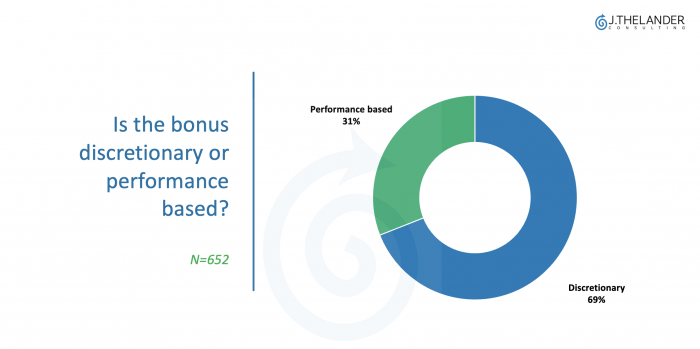
Investment firm bonus structure varies widely across PE and VC firms — and understanding how bonuses are set is critical for attracting and retaining top talent. In case you missed our IF Data Drop last week, we’re expanding on how firms structure bonuses for their investment teams. The first major consideration is whether a bonus is discretionary or performance-based.In case you missed our IF Data Drop last week, we’re expanding on how investment firms structure bonuses for their teams. The first major consideration is whether a bonus is discretionary or performance-based.
— Discretionary bonuses are determined entirely at the partners’ judgement, with no defined criteria or metrics.
— Performance-based bonuses, by contrast, are tied to explicit measures of individual and/or firm output.
Key takeaways:
— Nearly 70% of firms rely entirely on discretion when setting bonuses. This breakdown also differs between firm types – a higher and growing percentage of PE firms use discretionary bonuses compared to their VC counterparts.
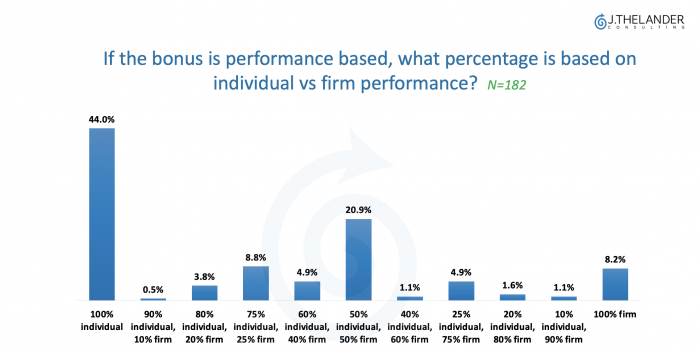
For the roughly 30% of firms with performance-based bonuses, the next question is how much weight is placed on individual versus firm performance.
Key takeaways:
— The majority lean toward individual performance (44%).
— ~21% of firms split the two evenly at 50/50.
— 17% weigh firm performance more heavily — or base the bonus on firm performance entirely.
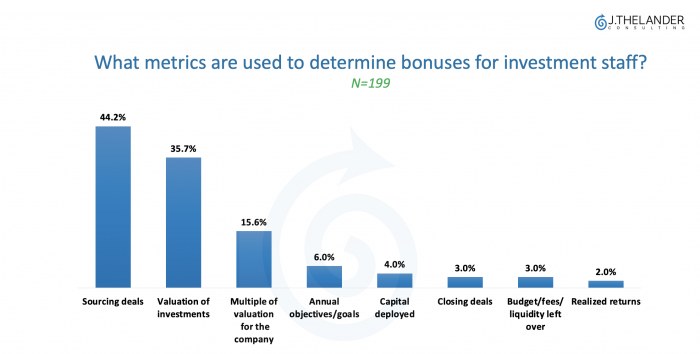
For firms using performance metrics:
Key takeaways:
— Deal sourcing is the most common measure, used by around 44% of firms with performance-based bonuses.
— Valuation of investments and multiples of company valuation are the next most common.
— A range of less widespread metrics round out the picture: meeting annual goals or objectives, the amount of capital deployed, and the number of deals closed rather than just sourced.
What’s the bottom line?
Investment firm bonus structure can make or break your ability to recruit. Bonuses can be a significant part of total cash compensation for both the investment team and staff positions. Figuring out your firm’s comp philosophy and how bonuses factor in is important because top talent is always in demand — and how you structure and communicate your bonus program can be just as important as the number itself. Whether you lean on partner discretion or tie payouts to explicit metrics, what matters most is that your approach is intentional, consistent and competitive for the talent you want to attract and retain.
To see how your actual and/or target bonuses compare to real-time market data, fill out the Thelander x PitchBook Investment Firm Compensation Survey today. You’ll secure access to all of the job titles you complete for 12 months at no charge.
Tags: Investment Firm